TS Environmental, Inc. logo

Air Handling Unit Cleaning

TS Environmental supports commercial air handling unit cleaning with a practical scope for facility teams that need equipment context, access planning, and documentation in one conversation.

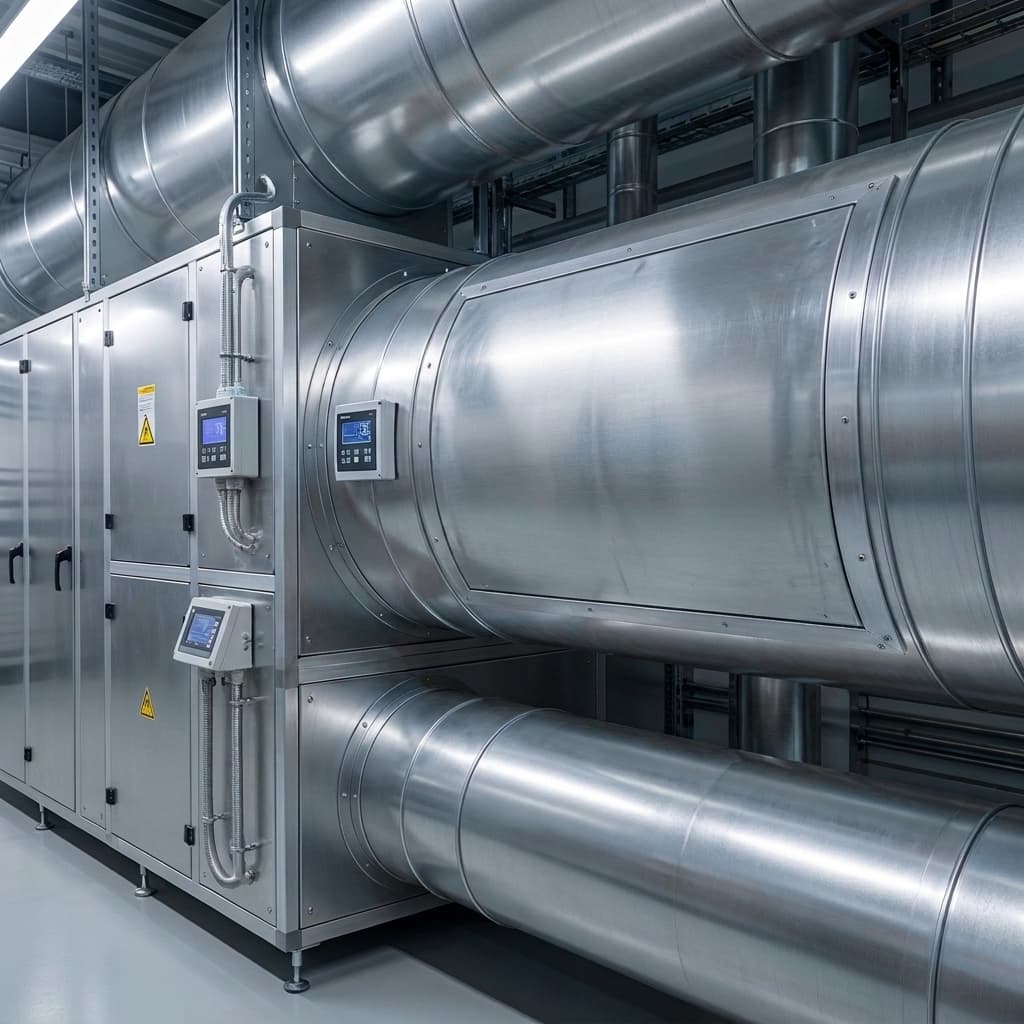
Air Handling Unit Cleaning equipment

Service path

Specific scope makes better handoffs.

Air handling unit cleaning planned around the equipment condition, access, occupied facility, connected air paths, and service record. The right starting point depends on the facility, the equipment, and the decision the team is trying to make.

  • AHU condition and access review
  • Connected filter and coil context
  • Occupied-facility planning
  • Before-and-after service records
Talk through this service

Commercial service guide

The useful answer starts with the facility.

Commercial buildings, healthcare facilities, schools, hotels, industrial sites, and property management teams. Project fit, coverage, scheduling, and final scope are confirmed with the operations team.

Send the project brief

01

An air handling unit is part of a larger system

An air handling unit sits at the center of several facility questions. Filters, coils, fans, dampers, drain areas, controls, and connected ductwork all influence how an AHU cleaning request should be understood. A team may be trying to document a condition, prepare for maintenance, support an indoor air quality conversation, or coordinate with work elsewhere in the building.

The project brief should state what prompted the request and what the facility needs afterward. If the concern involves airflow, visible buildup, access, a recurring condition, or an upcoming construction handoff, include that context. A cleaning request should not be treated as a remote diagnosis or an automatic recommendation for every connected component.

02

Scope the unit from the operator’s point of view

The people who maintain the unit know details that a generic service page cannot. They may know which access doors are usable, when the equipment can be taken offline, which zones depend on the unit, and what has already been attempted. Recording that knowledge reduces avoidable follow-up and gives the operations team a better starting point for the site conversation.

Include the unit location, make or model when available, served areas, access conditions, operating schedule, recent work, and any reports or photographs taken safely. Mention whether the building is occupied and who must coordinate the outage or work window. These facts support planning without turning an intake form into a claim about the final scope.

  • AHU identifier and served areas
  • Access and equipment downtime limits
  • Filter, coil, drain, fan, or control observations

03

Cleaning decisions should respect occupied facilities

Air handling units often serve spaces that cannot simply stop operating. Healthcare rooms, classrooms, offices, guest areas, food service environments, and production spaces can have different access and communication requirements. The project plan should identify who needs notice, what areas may be affected, and how the work window fits the facility’s operating responsibilities.

The owner overview describes TS Environmental as experienced in occupied commercial buildings and complex environments. That claim helps shape the operating approach, but it does not guarantee availability, staffing, or response time. Those details must be reviewed for the actual facility, unit, access route, and requested schedule.

04

Make the service record part of the maintenance program

AHU cleaning is easier to manage when the facility keeps a record of what was reviewed, what was accessible, what was observed, and what should happen next. Before-and-after photographs, equipment identifiers, area labels, open questions, and notes about filters or coils can give future maintenance teams a practical baseline. The record is also useful during property transitions and capital planning.

The company overview identifies professional documentation and reporting as part of the service advantage. The public site does not specify a fixed report or guarantee that every component will be included. Ask for the intended report use in the project brief so the operations conversation can address the facility’s actual recordkeeping needs.

05

Know when AHU cleaning is only the first step

An AHU request may lead to related questions about coil cleaning, indoor air quality, filtration, ductwork, inspections, mechanical room conditions, or preventative maintenance. Those services are visible in the company’s public map because facility teams often need to connect them. They are still separate scope decisions. A clean surface does not by itself confirm an airflow result, air quality outcome, or equipment performance change.

Use the project brief to describe the unit and the business decision in front of the team. The agent can guide the visitor to the AHU path, capture a facility type and project summary, and offer a human handoff. The operations team can confirm the next step after reviewing the actual request. It is also useful to identify who owns the maintenance record and who needs to approve the next step. A property manager, facility engineer, general contractor, and tenant may each need a different level of detail. That small piece of context keeps a technical service note connected to the person who will use it after the work is complete. It also helps distinguish an equipment record from a broader building report.

Questions to answer before the scope.

Does AHU cleaning include coil cleaning?01

Coil cleaning is a separate published service path that may relate to an AHU request. The included components must be confirmed for the specific scope.

Can an AHU be cleaned in an occupied building?02

The company overview describes occupied-facility experience. Access, downtime, safety, and scheduling need to be confirmed for the actual unit and building.

What information should I provide about an air handler?03

Include the unit identifier, served areas, access, operating schedule, equipment observations, recent service, and any documentation or deadline that matters.

Send the context that changes the next step.

We save the request first. Any owner notification is a separate connector status visible to the operations team.