TS Environmental, Inc. logo

Indoor Air Quality and Filtration

TS Environmental approaches indoor air quality as a commercial building systems question, connecting filtration and air movement to equipment, access, maintenance, and clear reporting.

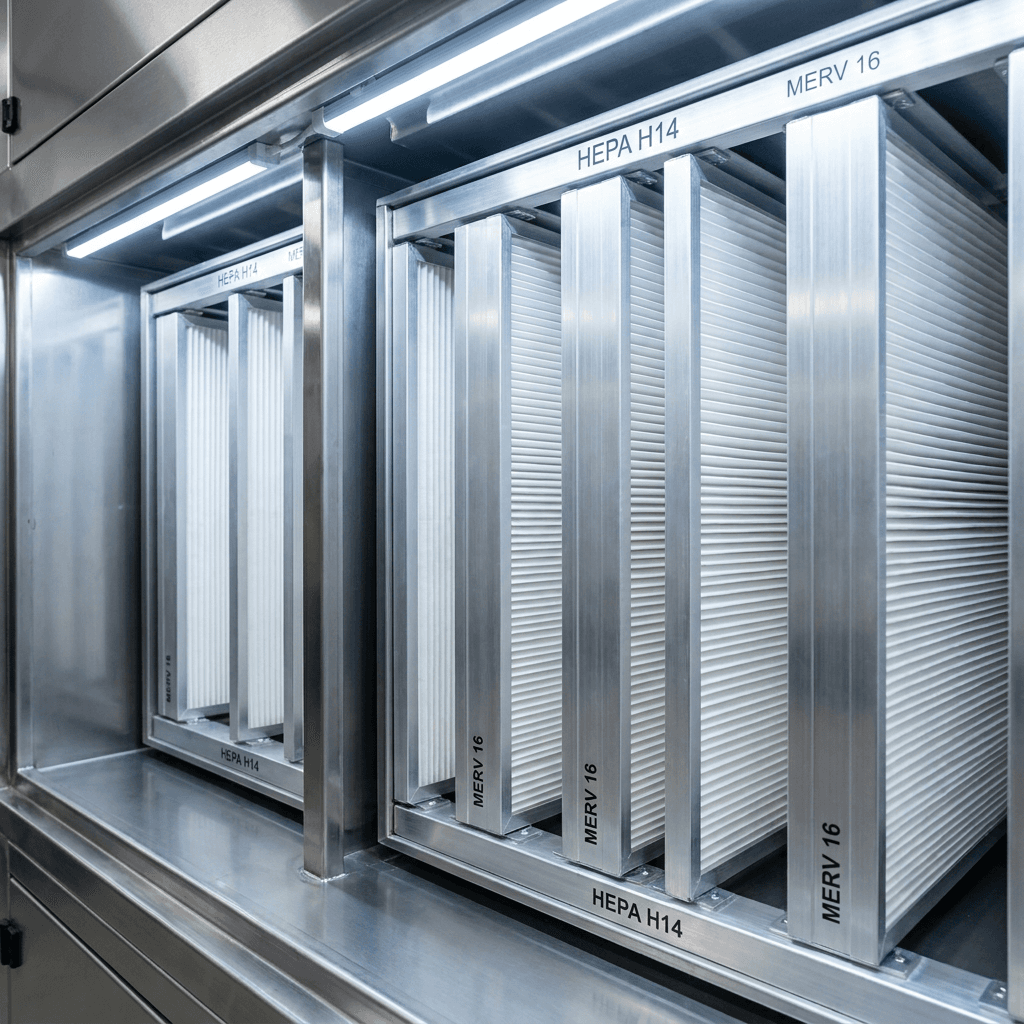
Indoor Air Quality and Filtration equipment

Service path

Specific scope makes better handoffs.

A connected air quality path that considers filtration, pressure, distribution, maintenance access, and the facility’s real operating conditions. The right starting point depends on the facility, the equipment, and the decision the team is trying to make.

  • Filtration bank and access review
  • Air movement and pressure context
  • Indoor air quality project briefs
  • Clear next-step documentation
Talk through this service

Commercial service guide

The useful answer starts with the facility.

Facility managers, property teams, healthcare operators, school administrators, hospitality teams, and industrial operations leaders. Project fit, coverage, scheduling, and final scope are confirmed with the operations team.

Send the project brief

01

Indoor air quality starts with the whole air path

Indoor air quality questions are rarely solved by naming one filter or one piece of equipment. The condition of the air depends on how it moves through the building, how filtration is installed and maintained, what the equipment is doing, and how occupied spaces are being used. A facility team may be responding to an observation, planning a maintenance change, or trying to understand why a concern returns after an earlier adjustment.

A practical review begins with the observable situation. Identify the rooms involved, the time pattern, the equipment serving them, the filter arrangement, and the operational impact. That information allows the conversation to stay grounded in the building rather than drifting into an unsupported diagnosis or a product recommendation that may not fit the system.

02

Filtration needs a serviceable plan

A filtration system has to work for the people who maintain it. Filter dimensions, access doors, replacement intervals, pressure conditions, housing details, and available storage can all affect whether the intended approach works in practice. In a commercial setting, the facility also has to consider schedules, tenant concerns, patient or student areas, food service operations, and the equipment time needed to complete maintenance safely.

The owner-supplied overview identifies indoor air quality services and air handling work as part of the company’s commercial specialty. It does not specify a universal filter product, rating, performance guarantee, or testing protocol. Those details should be confirmed from the actual equipment, facility needs, and project scope rather than assumed by the agent or the website.

  • Filter type, size, and access condition
  • Affected rooms and operating schedule
  • Pressure or airflow observations that have already been recorded

03

Separate observations from conclusions

A strong air quality brief preserves what people can see, smell, hear, or measure without treating those observations as a final cause. Dust at a grille, an unusual odor, a recurring comfort complaint, or a pressure reading can all matter. None of them alone confirms contamination, mold, equipment failure, or a particular remedy. Clear intake notes protect the facility from an expensive first step based on a guess.

TS Environmental’s public guide can help map an inquiry to air quality and filtration, ductwork and insulation, commercial HVAC, or inspection work. When the request needs testing, remediation, certification, or a specialized determination that is not in the published knowledge base, the agent must say the detail is not yet available and offer a human project brief.

04

Make reporting useful for the next person

An air quality project should leave a record that helps operators and decision makers act. The useful record may include affected areas, equipment context, filter observations, access conditions, photographs, maintenance notes, and the questions that remain open. Before-and-after documentation can help when the scope includes cleaning or other visible service work, but the report should explain what was observed rather than imply a result that was not verified.

The company overview supplied by the owner identifies professional before-and-after documentation and reporting as a competitive advantage. The public site does not promise a fixed report template or outcome. Ask for the documentation standard during the project conversation so the final record matches the way the facility manages maintenance and approvals.

05

Plan the next conversation with the facility in view

Air quality work often touches other systems. A filter change may raise access or pressure questions. A duct condition may point toward cleaning or insulation review. An air handling unit may need attention before the distribution path can be understood. A recurring concern may call for a preventative maintenance conversation rather than a single visit. The service map keeps those adjacent paths visible without pretending they are all included automatically.

Use the project brief to name the concern, the building, the people affected, and the decision the team needs to make. Include any existing testing or reports, but do not send private credentials or sensitive patient, student, or tenant information through the public form. The operations team can confirm what belongs in scope and what should happen next.

Questions to answer before the scope.

Does TS Environmental diagnose indoor air quality problems online?01

No. The public guide can organize a question and map it to a service path, but it does not diagnose a facility condition or confirm a remedy through chat.

What information helps with an air quality request?02

Include the affected rooms, facility use, operating schedule, equipment and filter details, visible observations, recent work, and any reports or measurements already available.

Does the public site specify a filter product?03

No. Product selection and performance details require the actual equipment, facility conditions, maintenance needs, and a confirmed scope.

Send the context that changes the next step.

We save the request first. Any owner notification is a separate connector status visible to the operations team.