TS Environmental, Inc. logo

Commercial HVAC Coil Cleaning

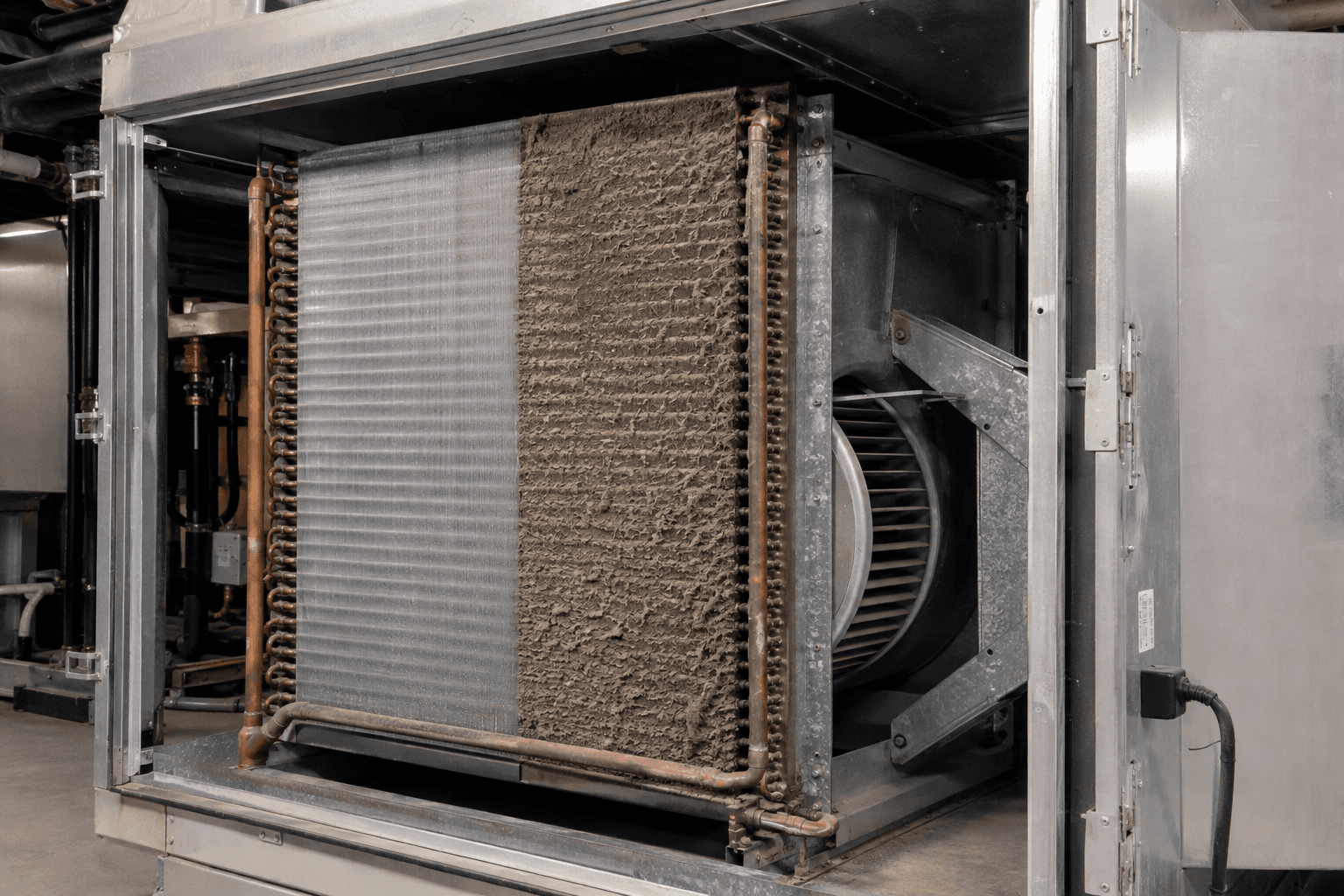
TS Environmental provides a commercial coil cleaning path that connects the coil condition to air handling equipment, filtration, access, occupied operations, and preventative maintenance planning.

Commercial HVAC Coil Cleaning equipment

Service path

Specific scope makes better handoffs.

Coil cleaning for commercial equipment when access, condition, connected airflow, and a usable service record all matter. The right starting point depends on the facility, the equipment, and the decision the team is trying to make.

  • Coil condition and access planning
  • AHU and equipment context
  • Occupied-facility coordination
  • Before-and-after documentation
Talk through this service

Commercial service guide

The useful answer starts with the facility.

Facility operators, property managers, commercial building owners, healthcare teams, hospitality teams, and industrial maintenance groups. Project fit, coverage, scheduling, and final scope are confirmed with the operations team.

Send the project brief

01

Coil cleaning is an equipment and airflow question

Coils sit inside a working HVAC system, so their condition cannot be separated completely from airflow, filtration, fans, drain areas, controls, and the spaces served. A facility may be responding to visible buildup, a maintenance record, an efficiency concern, a seasonal preparation task, or a broader system cleaning plan. The first step is to name the reason for the request instead of assuming one result.

A useful project brief identifies the equipment, coil location, served areas, access, operating window, and observed condition. It can also say whether the request is one unit, a group of air handlers, a recurring program, or part of a post-construction handoff. That detail helps the conversation stay proportional to the facility’s needs.

02

Plan for the way the equipment is maintained

Commercial equipment is often installed in a mechanical room, rooftop area, service corridor, or another location with real access constraints. Doors, panels, nearby equipment, drainage, power, tenant schedules, and required shutdowns all affect how a cleaning scope should be discussed. Operators can save time by identifying those constraints before a review rather than treating them as an afterthought.

Photographs and equipment labels may help, but they should only be taken from safe permitted locations and should not include sensitive records. A web form cannot confirm whether a coil is accessible, whether a cleaning method fits, or whether another component should be included. Those questions belong in the project review.

  • Equipment identifier and coil location
  • Access and shutdown limits
  • Visible condition and recent maintenance history

03

Connect the coil to the air handler and filter path

A coil condition may be related to filtration, air handling unit access, ductwork, drain conditions, or a recurring maintenance issue. A facility team may need only coil cleaning, or it may need a broader inspection to understand why the condition developed. The service map keeps these paths close enough for discovery while preserving the difference between an observation and a confirmed cause.

The owner-supplied overview lists coil cleaning alongside AHU cleaning, indoor air quality services, inspections, duct cleaning, and preventative maintenance. That gives the agent useful context for asking follow-up questions. It does not authorize the agent to promise a performance improvement, energy result, or equipment outcome.

04

Work around people and operating schedules

Coils may serve occupied offices, patient areas, classrooms, guest rooms, kitchens, production areas, or other spaces where an interruption has to be planned. The facility team should say when access is possible, who coordinates the work, and what conditions must remain stable. A clean sequence can be as important to the property as the cleaning itself.

The company overview describes a commercial-only focus and experience in occupied and complex facilities. That positioning supports a careful handoff, but it does not establish a universal service area, response promise, or availability. The specific building and equipment remain the basis for a real scope discussion.

05

Use before-and-after records to plan the next cycle

A documented coil cleaning gives the facility more than a date in a maintenance log. It can record the equipment, access conditions, observed state, areas addressed, photographs, and the next review question. That record supports preventative maintenance planning and helps a new operator understand what happened without relying on a verbal handoff.

TS Environmental publishes before-and-after documentation and reporting as part of its company overview. The exact report contents and delivery timing should be confirmed in the project brief. If the work supports a larger capital project, lease requirement, or recurring program, say so before the scope is finalized. A consistent record can also help compare several units over time, identify where access remains difficult, and give the next maintenance review a clear list of questions rather than a vague assumption that the equipment is ready. It can be especially helpful when the equipment serves several tenants or when a property team changes between service visits. The record should still describe observations and scope clearly rather than imply a performance result that was not measured. That boundary keeps the maintenance history credible.

Questions to answer before the scope.

Does coil cleaning guarantee better HVAC performance?01

No. The public site does not make a universal performance guarantee. The result depends on the equipment, starting condition, access, scope, and other system factors.

Should I request AHU cleaning too?02

It may be related, but AHU cleaning and coil cleaning are separate service paths. Describe the equipment and concern so the operations team can confirm the appropriate scope.

What does a coil cleaning request need?03

Include the equipment identifier, coil location, served spaces, access limits, operating schedule, visible condition, and any report or maintenance history available.

Send the context that changes the next step.

We save the request first. Any owner notification is a separate connector status visible to the operations team.