TS Environmental, Inc. logo

Commercial HVAC Duct Cleaning

TS Environmental supports commercial HVAC duct cleaning with a facility-first scope that considers access, occupied conditions, air pathways, equipment context, and before-and-after documentation.

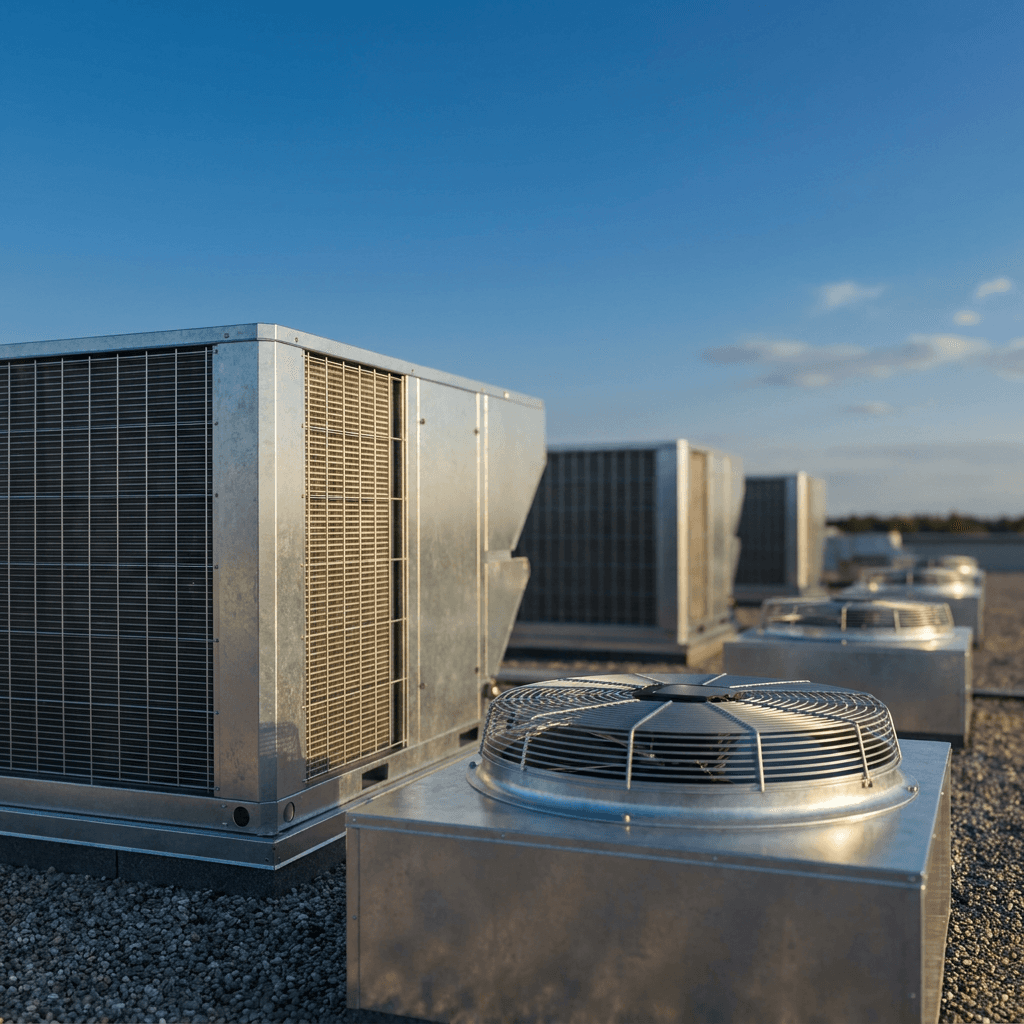
Commercial HVAC Duct Cleaning equipment

Service path

Specific scope makes better handoffs.

A commercial cleaning and documentation path for facilities that need cleaner air pathways and a clearer maintenance record. The right starting point depends on the facility, the equipment, and the decision the team is trying to make.

  • Duct pathway and access review
  • Occupied-facility coordination
  • Commercial HVAC hygiene planning
  • Before-and-after documentation
Talk through this service

Commercial service guide

The useful answer starts with the facility.

Commercial offices, healthcare facilities, schools, hotels, industrial sites, and property management teams. Project fit, coverage, scheduling, and final scope are confirmed with the operations team.

Send the project brief

01

What commercial HVAC duct cleaning is meant to solve

Commercial HVAC duct cleaning is a building operations service, not a generic household cleaning appointment. The work begins with the air pathways that serve the facility, the equipment connected to them, and the conditions that affect safe access. A property team may be responding to visible debris, a post-construction condition, a maintenance concern, or a need for a more readable record of the system. Each reason changes the scope and the documentation that should follow.

The right first question is what the facility needs to understand or improve. That might be the condition of supply and return pathways, the relationship between the duct system and air handling equipment, or the order in which areas should be reviewed. TS Environmental keeps the public conversation focused on the system, the people using the building, and the decision that comes after the cleaning work.

02

Build the scope around the actual facility

Every commercial building has its own access points, schedules, ceiling conditions, equipment arrangement, and operating requirements. An office with occupied tenant suites presents a different coordination question than a hospital, restaurant, school, hotel, or industrial facility. Before work is discussed, the project brief should identify the building type, affected zones, access restrictions, operating hours, recent construction, and any areas that must remain in service.

Equipment labels, floor plans, photographs from safe accessible areas, filter information, prior reports, and maintenance notes can make the first review more useful. They do not replace an onsite assessment or establish a final scope. They help the operations team separate known conditions from assumptions so the proposed work can be discussed with the right level of care.

  • Facility type and occupied hours
  • Affected zones and access limitations
  • Equipment labels, recent work, and existing documentation

03

Coordinate cleaning in occupied and complex environments

Commercial HVAC hygiene often takes place while a building still has to function. Staff, patients, students, guests, tenants, food service operations, and production teams may all be present. That makes communication and sequencing part of the service conversation. A useful plan names the areas involved, the people who need notice, the access windows available, and the conditions that could change the order of work.

The company overview supplied by the owner describes experience working in occupied commercial buildings, healthcare facilities, educational institutions, hotels, restaurants, industrial facilities, and other complex environments. That description informs the service approach, but project fit, coverage, safety controls, and scheduling still need to be confirmed for the specific site.

04

Documentation should make the result easier to use

Cleaning work is more valuable when the facility receives a record that can be understood after the crew has left. Before-and-after photographs, area notes, access observations, and clearly labeled findings help property managers, maintenance teams, contractors, and budget owners understand what was reviewed. Documentation also gives the next maintenance conversation a starting point instead of forcing someone to reconstruct the work from memory.

TS Environmental publishes before-and-after documentation and reporting as part of its service map. The exact report format, included areas, and delivery timing are not fixed on the public site. A project brief should state what the facility needs documented and whether the record will support maintenance planning, a construction handoff, internal approval, or a recurring service program.

05

Turn a cleaning project into a maintenance decision

A one-time cleaning can answer an immediate question, but many facility teams also need a plan for what happens next. The follow-up may involve air handling unit cleaning, coil cleaning, filter access, inspections, mechanical room conditions, or a preventative maintenance schedule. The right next step depends on the condition observed and the building’s operating priorities. It should not be invented from a form submission or an online photo.

The project brief gives the team a way to start that conversation. Share the facility type, the area or equipment involved, what prompted the request, any deadline, and the kind of documentation required. TS Environmental can then confirm whether the request fits the published service map and what information is still needed before a scope is discussed.

Questions to answer before the scope.

Does commercial duct cleaning include a guaranteed result?01

No. The public site does not promise a universal outcome. The appropriate scope, documentation, and result depend on the facility and the conditions confirmed for the project.

Can duct cleaning be planned for an occupied building?02

The company overview describes work in occupied and complex facilities. Access, sequencing, safety controls, and scheduling still need to be confirmed for the specific building.

What should I send with a duct cleaning request?03

Send the facility type, affected zones, operating hours, access conditions, recent construction or maintenance, equipment details, and the result or documentation the team needs.

Send the context that changes the next step.

We save the request first. Any owner notification is a separate connector status visible to the operations team.