TS Environmental, Inc. logo

HVAC System Inspections and Monitoring

TS Environmental supports commercial HVAC inspections and monitoring conversations that connect equipment observations, air movement, pressure, controls, and readable facility reporting.

HVAC System Inspections and Monitoring equipment

Service path

Specific scope makes better handoffs.

A clearer inspection path for facility teams that need system condition, signals, access, and follow-up decisions documented together. The right starting point depends on the facility, the equipment, and the decision the team is trying to make.

  • Equipment and system condition notes
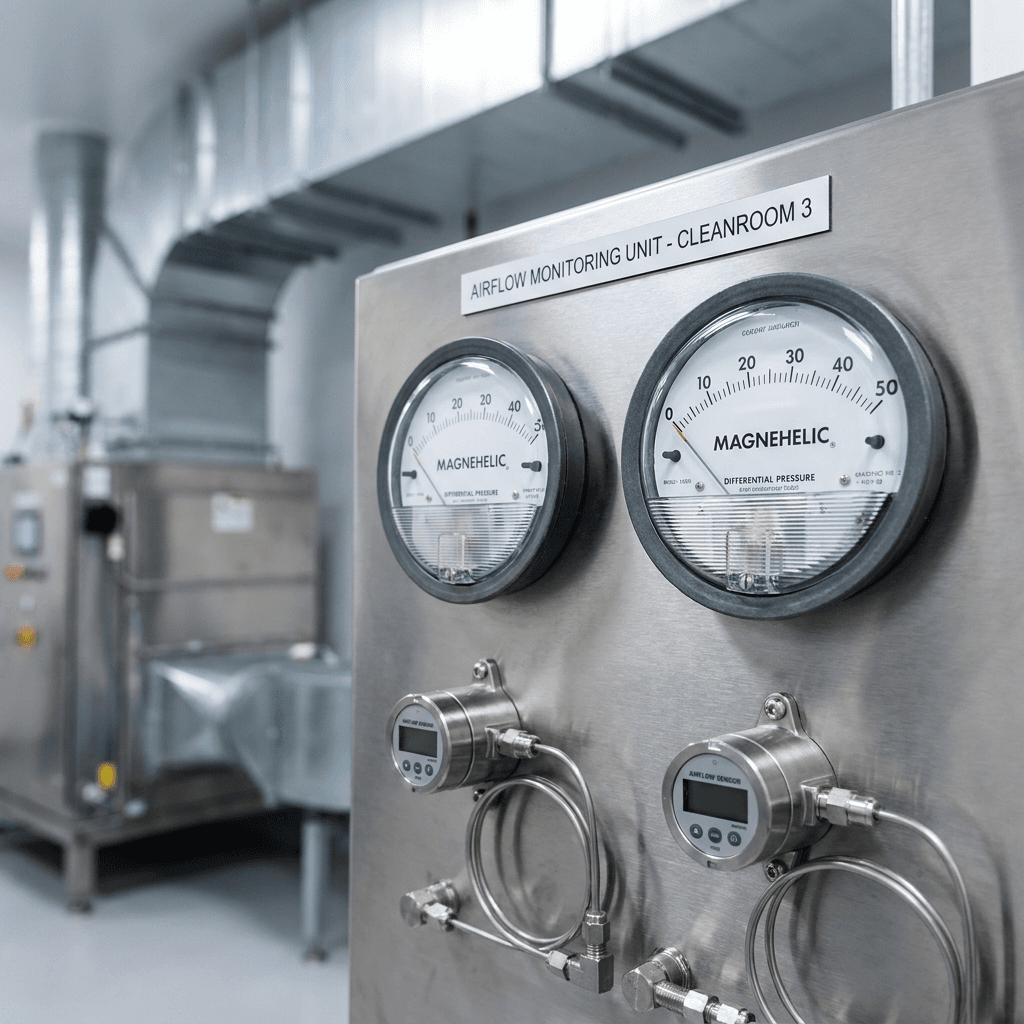
  • Pressure, airflow, and monitoring context
  • Controls and actuator observations
  • Readable inspection handoffs
Talk through this service

Commercial service guide

The useful answer starts with the facility.

Facility engineers, building operators, property managers, mechanical contractors, and general contractors. Project fit, coverage, scheduling, and final scope are confirmed with the operations team.

Send the project brief

01

An inspection should answer a facility question

A commercial HVAC inspection is most useful when it has a decision attached to it. A facility team may need to understand a recurring condition, prepare for a maintenance budget, document a system before construction, or decide whether a cleaning or replacement conversation is appropriate. An inspection without a stated purpose can create a list of observations without helping the people responsible for acting on them.

Start with the condition that brought the team to the request. Name the equipment, area, time pattern, operational impact, and prior work. If the request involves a pressure reading, alarm, actuator, filter bank, air handler, or rooftop unit, say what the operator sees and what remains unclear. The distinction keeps the handoff focused and avoids a remote diagnosis.

02

Connect signals to the equipment and the room

Monitoring points are only useful when they help someone make a building decision. A pressure value, airflow reading, actuator position, or recurring alarm needs equipment context and a clear explanation of when the condition occurs. The same signal may matter differently in a healthcare space, a classroom, an office, a hotel, a restaurant, or an industrial area.

The public service map uses inspections and monitoring to keep the relationship visible between the signal, the system, and the operator. It does not claim a universal controls platform, software integration, response time, or commissioning outcome. Those details depend on the equipment and project requirements and should be confirmed before being added to a scope.

  • Point name or operator-facing label
  • Equipment and zone served
  • When the signal changes and what the team expected

03

Make access and safety part of the record

A system inspection is not performed in an abstract diagram. Technicians and facility teams work around rooftops, mechanical rooms, ceilings, occupied spaces, equipment guards, and other real conditions. The project brief should identify access limitations, required escorts, operating hours, areas that cannot be interrupted, and any site rules the team already knows about.

The company overview supplied by the owner describes a trained workforce, high safety standards, and experience with complex and occupied facilities. The public site does not publish a certification list or a blanket safety guarantee. A responsible project conversation confirms the site requirements and the work plan for the specific building.

04

Give operators a record they can use

An inspection report should be readable by the people who operate the building, not only by the person who performed the review. Include equipment identifiers, observed conditions, the relationship between a signal and the affected area, photographs where appropriate, open questions, and a clear list of what still needs verification. That record helps the facility team make budget, maintenance, and contractor decisions with less uncertainty.

Before-and-after documentation and reporting are part of the owner-supplied company overview. The exact deliverable is not fixed on the public site, so include the intended use of the report in the project brief. A maintenance record, construction handoff, and executive summary may require different levels of detail.

05

Use inspection findings to choose the next path

An inspection may point toward commercial HVAC duct cleaning, AHU cleaning, coil cleaning, air quality and filtration, mechanical room cleaning, or a preventative maintenance program. It may also show that the public knowledge base does not contain enough information to answer the question. That is not a failure. It is a signal to request human review rather than forcing the facility into a service label that does not fit.

Use the project brief to describe what the operator needs to decide and what evidence already exists. The agent can collect the facility type, equipment, service interest, and project summary, then route the written request into the CRM. The operations team can confirm coverage, scope, and next steps after reviewing the actual context. The inspection conversation can also separate urgent observations from planned work. A recurring alarm may need prompt human attention, while a documentation gap may belong in a scheduled review. The guide will not assign priority or authorize a shutdown. It can help the visitor prepare a concise record that an operator or contractor can review without reconstructing the situation from a long chat transcript.

Questions to answer before the scope.

Can the guide diagnose a control or pressure issue?01

No. It can help organize the question and identify the inspection path, but it will not claim a diagnosis without verified project information.

What makes an inspection request useful?02

Include the equipment or monitoring point, affected area, time pattern, operator observation, access conditions, prior work, and the decision the facility needs to make.

Does an inspection automatically include repairs?03

No. Inspection, cleaning, maintenance, and repair are separate scope decisions that must be confirmed for the facility.

Send the context that changes the next step.

We save the request first. Any owner notification is a separate connector status visible to the operations team.