TS Environmental, Inc. logo

HVAC Ductwork and Insulation Cleaning

TS Environmental helps commercial facility teams organize ductwork and insulation cleaning questions around air pathways, access, occupied conditions, and the next maintenance decision.

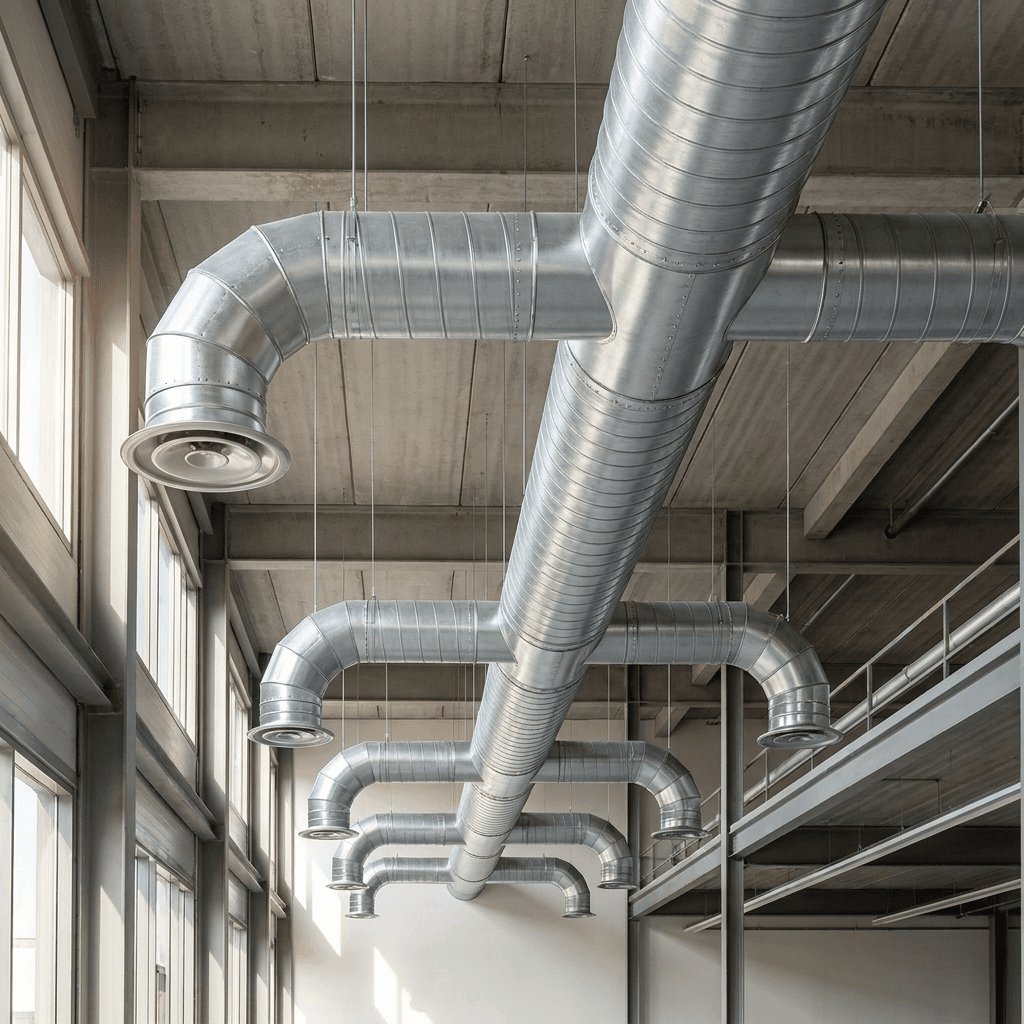
HVAC Ductwork and Insulation Cleaning equipment

Service path

Specific scope makes better handoffs.

A detailed look at the pathways, access points, insulation, dampers, and documentation that shape commercial air distribution. The right starting point depends on the facility, the equipment, and the decision the team is trying to make.

  • Supply and return pathway review
  • Insulation condition and access notes
  • Dampers and distribution context
  • Before-and-after reporting support
Talk through this service

Commercial service guide

The useful answer starts with the facility.

Commercial property managers, mechanical contractors, general contractors, facility operators, and maintenance teams. Project fit, coverage, scheduling, and final scope are confirmed with the operations team.

Send the project brief

01

Ductwork is the building’s air distribution record

Ductwork carries the story of how conditioned air reaches occupied areas. It also carries the practical constraints that make commercial cleaning and maintenance different from a simple equipment service. Ceiling conditions, access panels, branch connections, insulation, dampers, and the relationship between the duct system and the air handler all shape what can be reviewed and how the work should be planned.

A useful request explains what prompted the question. The facility may have visible debris, a post-construction concern, recurring comfort complaints, a maintenance record that is incomplete, or a need to document conditions before another project. The reason matters because a cleaning scope, an inspection scope, and a construction handoff do not ask for the same information.

02

Insulation and access change the conversation

Insulation affects the condition and serviceability of the distribution path. Damaged, inaccessible, or poorly documented insulation can complicate maintenance planning and make it difficult for the facility team to understand what work is safe to perform. The public service map keeps insulation visible alongside ductwork rather than treating it as an unrelated finish detail.

The first project brief should identify accessible areas, ceiling or shaft constraints, occupied hours, known penetrations, and any recent construction. Photographs should be taken only from safe areas and should not include private information. These details help define a review without presenting them as a final technical conclusion.

  • Accessible duct runs and ceiling conditions
  • Visible insulation, damper, or access-panel observations
  • Recent construction, tenant work, or system changes

03

Keep the air path connected to the equipment

A duct question can be connected to an air handling unit, coil condition, filtration bank, pressure relationship, or controls point. Looking only at the visible distribution path may leave out the equipment context needed to understand the request. Looking only at equipment may miss what occupants and operators are experiencing downstream. The service conversation should preserve both views.

TS Environmental’s owner-supplied company overview describes commercial HVAC hygiene, air duct cleaning, AHU cleaning, coil cleaning, indoor air quality support, inspections, and reporting as related capabilities. The service paths are connected for discovery, but the website does not imply that every related task is included in a single scope.

04

Work around the people using the building

A commercial ductwork project has to account for the building’s schedule. Healthcare, education, hospitality, food service, office, and industrial environments each have different people, access patterns, and tolerance for disruption. The work plan should identify who needs notice, which spaces cannot be interrupted, and how the facility will communicate the sequence to staff or tenants.

The owner overview says the company can perform work in occupied commercial and complex environments while maintaining safety, professionalism, and customer service standards. That is an owner-supplied positioning claim, not a blanket scheduling promise. Coverage, safety planning, staffing, and project timing must be confirmed for the facility in front of the team.

05

Leave a record that supports future maintenance

A ductwork and insulation project should result in a record that another operator can use. Area labels, before-and-after photographs, access notes, observed conditions, open questions, and recommendations for the next review all help the facility avoid starting from zero. A report is especially useful when a property changes managers, a contractor needs a handoff, or a recurring maintenance program is being considered.

The project brief should state whether the documentation is for internal maintenance, a construction closeout, a tenant communication, a contractor handoff, or a future budget request. TS Environmental can then confirm what reporting is available and whether the request belongs with ductwork, commercial HVAC, air quality, post-construction, or preventative maintenance services. For a larger property, the record can also identify which zones were reviewed and which areas remain outside the current scope. That distinction helps budget owners compare future work without treating an incomplete review as a full building finding. It also gives the next technician a useful map of access points, equipment relationships, and questions that need to be resolved during a later visit.

Questions to answer before the scope.

Does ductwork cleaning include insulation replacement?01

The public service map includes ductwork and insulation, but it does not promise that replacement is included in every cleaning scope. The facility conditions and requested outcome must be reviewed first.

What should a property manager document first?02

Record the affected areas, access conditions, operating schedule, visible duct or insulation observations, recent construction, and the reason the review is needed.

Can ductwork be reviewed with the air handler?03

The service map connects ductwork with AHU, coil, filtration, and inspection paths for discovery. The exact combined scope still needs to be confirmed.

Send the context that changes the next step.

We save the request first. Any owner notification is a separate connector status visible to the operations team.