TS Environmental, Inc. logo

Commercial Kitchen Exhaust and Hood Cleaning

TS Environmental provides a commercial kitchen exhaust and hood cleaning path for restaurants, hotels, institutional kitchens, and other food service environments. The scope can include the electrostatic precipitator where installed, along with the hood, filters, ductwork, exhaust fan, access points, operating schedule, and service record.

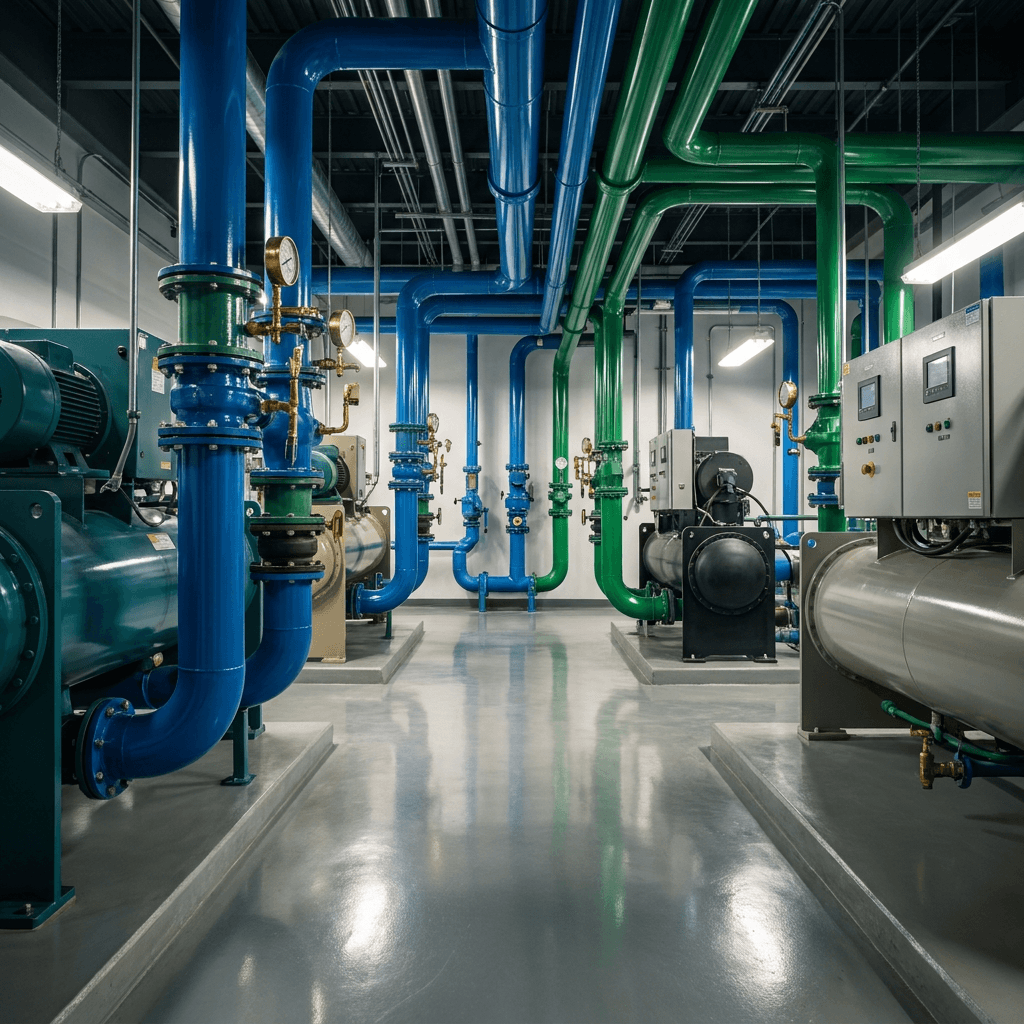
Commercial Kitchen Exhaust and Hood Cleaning equipment

Service path

Specific scope makes better handoffs.

Commercial kitchen exhaust cleaning organized around the hood, electrostatic precipitator where installed, filters, duct, fan, access, operating schedule, and documentation the restaurant needs. The right starting point depends on the facility, the equipment, and the decision the team is trying to make.

  • Hood, electrostatic precipitator, duct, and exhaust fan scope
  • Food service schedule coordination
  • Access and occupied-kitchen planning
  • FDNY-compliant completion sticker and service report
  • Before-and-after documentation

Completion record

FDNY-compliant sticker and service report

After applicable kitchen exhaust work is completed, the facility receives an FDNY-compliant sticker and service report documenting the work.

Talk through this service

Commercial service guide

The useful answer starts with the facility.

Restaurants, hotels, schools, healthcare kitchens, food service operators, property managers, and general contractors. Project fit, coverage, scheduling, and final scope are confirmed with the operations team.

Send the project brief

01

Kitchen exhaust cleaning is a complete pathway

A commercial kitchen exhaust system moves grease, heat, smoke, and cooking byproducts away from the food service environment. In New York City kitchens with an electrostatic precipitator, the precipitator is an important part of the cleaning and maintenance process, including its cells, collection surfaces, filters, access, and condition. Cleaning the visible hood alone does not describe the full system. The project conversation should consider the hood, filters, precipitator, duct access, horizontal and vertical runs, exhaust fan, discharge area, and the way the kitchen operates during the service window.

Restaurants and institutional kitchens also have a business to keep moving. Service timing, staff communication, food preparation schedules, guest areas, roof access, and the availability of the equipment all shape a responsible plan. A good request names the facility type, the system arrangement when known, and the operating constraint that will matter most.

02

Start with the kitchen and precipitator details

The first brief does not need to contain a technical conclusion. It should identify the kitchen, hood locations, exhaust fans, access points, previous service dates, visible conditions, and the result the operator needs. If an electrostatic precipitator is installed, include its location, access, cells or filters, prior service, and any observed buildup or airflow concern. Include whether the request is recurring maintenance, a post-construction condition, a property handoff, or a response to an observed problem.

Photos can help when they are taken from safe, permitted areas and do not expose employee, customer, or private operational information. Equipment labels, roof access notes, and prior reports can also reduce follow-up questions. They do not establish compliance, certification, or a final cleaning scope until the project is reviewed and confirmed.

  • Kitchen type and operating hours
  • Hood, precipitator, and fan locations when known
  • Prior cleaning record and documentation needs

03

Plan around food service and occupied areas

Kitchen exhaust work may affect food preparation, staff movement, deliveries, guest areas, neighboring tenants, and roof or mechanical access. The plan should make the service window clear and describe what the team needs to protect or coordinate. In New York City kitchens with an electrostatic precipitator, the service window should also account for the precipitator cells, filters, collection surfaces, access, and any equipment shutdown requirements. Hotels, schools, healthcare facilities, restaurants, and industrial food operations can each have different communication and access requirements.

The owner-supplied overview identifies kitchen exhaust and hood cleaning as a core commercial service and describes experience in occupied and complex environments. The public site does not promise a particular schedule, emergency response, compliance result, or documentation format. Those details need to be confirmed for the actual kitchen and property.

04

Documentation matters after the crew leaves

A clear service record helps restaurant operators, property managers, contractors, and future maintenance teams understand what was addressed. Before-and-after photographs, labeled areas, access notes, observed conditions, and any remaining questions can become part of the property’s maintenance history. If the work is tied to a lease, sale, renovation, or recurring program, say that in the brief so the report can be discussed in the right context.

For applicable New York City kitchen exhaust work, the completed service record includes an FDNY-compliant sticker and service report documenting the work. The exact report contents, included areas, and any additional records depend on the confirmed scope. This completion deliverable is not a universal regulatory determination or guarantee. The agent should describe it only after completion and route other requirements into human review.

05

Choose recurring care when the operation needs it

Kitchen exhaust systems often need more than a one-time conversation. A recurring maintenance program can help operators remember the next review, keep records in one place, and plan around business schedules. The right interval and scope depend on the equipment, kitchen use, facility requirements, and the service history. The website does not assign a universal cadence or promise compliance on its own.

Use the project brief to ask for a one-time cleaning, a recurring plan, or a review of an existing record. Include the kitchen type, number of systems if known, access conditions, and the documentation expected. The operations team can confirm fit and explain what information is needed before a schedule or price is discussed. If the kitchen is part of a larger property, identify whether the request covers one hood, several kitchens, a shared exhaust route, or a change in tenant use. That distinction affects communication, access, and recordkeeping. It also helps property teams keep service records aligned when kitchens have different operators, hours, equipment, or renewal dates. That record can make a future handoff easier when the kitchen changes tenants or the building adds another food service area.

Questions to answer before the scope.

Does kitchen exhaust cleaning include a compliance certificate?01

For applicable New York City kitchen exhaust work, the completion deliverable is an FDNY-compliant sticker and service report after the job is completed. The exact scope and any additional records must be confirmed for the specific project.

Can restaurants request recurring kitchen exhaust service?02

Preventative maintenance programs are part of the published service map. Frequency, scope, and availability still need to be confirmed for the kitchen and property.

Does kitchen exhaust cleaning include the precipitator?03

When the system includes an electrostatic precipitator, identify it in the project brief so its cells, filters, collection surfaces, access, and service history can be included in the scope discussion. The final scope and method must be confirmed for the installed equipment.

What should a restaurant include in its request?04

Include the kitchen type, hood, precipitator, and fan information when known, operating schedule, access conditions, prior service history, and the documentation the operator needs.

Send the context that changes the next step.

We save the request first. Any owner notification is a separate connector status visible to the operations team.