TS Environmental, Inc. logo

Commercial Laundry Exhaust Cleaning

TS Environmental helps New York City facility teams organize commercial laundry exhaust cleaning questions around dryer equipment, duct paths, lint observations, access, occupied operations, and the records needed for the next decision.

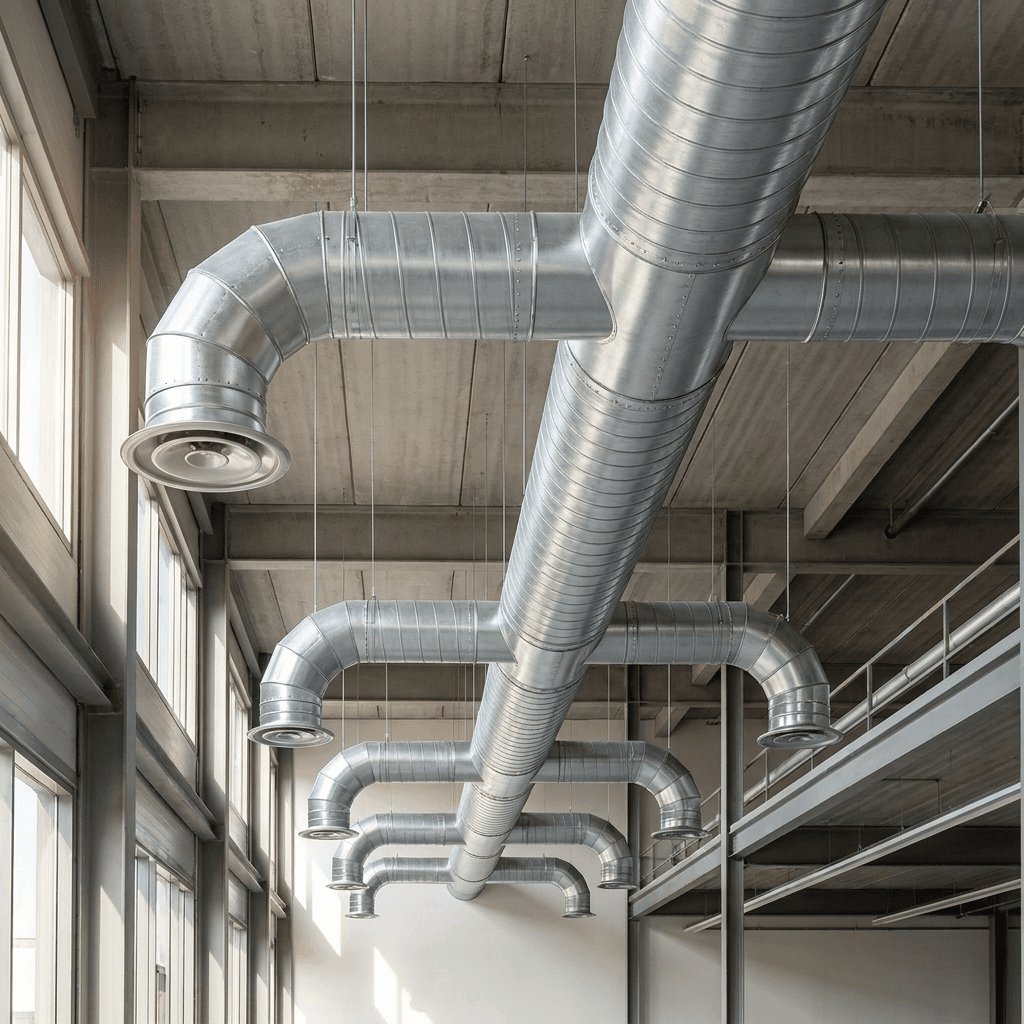
Commercial Laundry Exhaust Cleaning equipment

Service path

Specific scope makes better handoffs.

A facility-first cleaning and documentation path for commercial laundry exhaust systems, dryer connections, lint conditions, access, and operating schedules. The right starting point depends on the facility, the equipment, and the decision the team is trying to make.

  • Dryer and exhaust pathway context
  • Lint, airflow, and access observations
  • Occupied facility scheduling questions
  • Before-and-after documentation support
Talk through this service

Commercial service guide

The useful answer starts with the facility.

Hotels, hospitals, universities, institutional laundries, multifamily operators, industrial facilities, property teams, and contractors. Project fit, coverage, scheduling, and final scope are confirmed with the operations team.

Send the project brief

01

Laundry exhaust is part of the operating system

Commercial laundry exhaust systems move heat, moisture, lint, and air away from dryers and occupied work areas. The visible dryer connection is only one part of the system. A responsible project conversation may need to consider the duct route, transitions, access points, termination, fans, surrounding room conditions, and how the laundry operates throughout the day.

A useful request starts with the reason for the review. The facility may have recurring lint, an airflow observation, a maintenance record that is incomplete, a renovation handoff, a new equipment installation, or a need to establish a cleaner baseline. Naming that reason helps the operations team separate a cleaning question from a repair, replacement, or ventilation design question.

02

The brief should describe equipment and access

Laundry rooms vary widely. A hotel back-of-house laundry, hospital linen operation, university residence laundry, multifamily room, and industrial processing area can use different equipment, schedules, and access arrangements. Include the number of dryers, known equipment labels, the approximate duct route, accessible panels, roof or exterior access, and any areas that cannot be interrupted.

Lint or airflow observations should be stated as observations rather than a remote diagnosis. Note where lint is visible, when the condition appears, whether drying time changed, and whether a filter, fan, or access point has received recent attention. Photographs can support the conversation when they are taken safely and do not expose private information.

  • Number and type of dryers or laundry equipment
  • Known access panels, transitions, fans, and termination points
  • Lint, heat, moisture, or airflow observations and timing

03

Plan around occupied laundry operations

Laundry exhaust work has to fit the people and processes using the room. Hotels may need a service window that protects linen turnover. Hospitals and universities may need coordination with infection control, facilities, or building operations teams. Multifamily and institutional facilities may need notices, access control, or a plan for equipment that cannot remain offline for long.

The first conversation should identify operating hours, peak loads, equipment that must remain available, noise or access limitations, and who can authorize the work. TS Environmental does not publish a universal response time or scheduling promise. Those details depend on the facility, the requested scope, and the team’s confirmation.

04

FDNY context belongs in the project record

New York City facility teams may have inspection, filing, access, or documentation questions connected to a laundry exhaust system. If an FDNY-related requirement, prior notice, inspection record, or deadline is part of the request, include that context in the project brief. It can help the reviewer understand which records the facility is trying to organize.

The public site does not claim FDNY approval, code certification, a compliance result, or a guaranteed inspection outcome. The purpose of the public guide is to collect the facts needed for a human scope conversation. Any required authority, filing, inspection, or code decision must be confirmed with the responsible parties for the specific building.

05

Documentation makes the next review easier

A laundry exhaust cleaning record should be useful after the service conversation ends. It can identify the facility area, equipment or duct sections discussed, access conditions, observed lint or contamination, photographs where available, work requested, open questions, and the next maintenance decision. A clear record helps property teams communicate across shifts and vendors.

TS Environmental publishes before-and-after documentation as an owner-supplied service advantage, but it does not promise a fixed report format or certificate. If the owner, property manager, contractor, insurer, or internal maintenance team needs a particular record, state that expectation in the first brief so the team can confirm whether it fits the available scope.

06

Use the project brief to define the next step

The project brief is the public contact path for New York City laundry exhaust questions. Include the facility type, laundry location, equipment, duct or fan details, access limits, operating schedule, recent work, observed condition, FDNY context where relevant, and the decision the team needs to make. A phone number is optional for visitor follow-up, and TS Environmental can be reached directly at 631-256-6889.

The request is saved for operations review before any owner notification connector is attempted. The concierge can identify the Laundry Exhaust Cleaning path and link a consented brief to the conversation, but it does not diagnose the system, promise a price, book work, or confirm coverage. That boundary keeps the NYC-only public service experience specific while leaving the final scope to the team.

Questions to answer before the scope.

What facilities may need laundry exhaust cleaning?01

Hotels, hospitals, universities, institutional laundries, multifamily operators, industrial facilities, and other commercial sites may have laundry exhaust questions. The facility, equipment, access, and project fit still need to be confirmed.

Does laundry exhaust cleaning confirm FDNY compliance?02

No. The public service path can organize an FDNY-related question or documentation request, but it does not claim approval, certification, or a compliance result.

What should I include in a laundry exhaust request?03

Include the dryer equipment, duct and fan details, lint or airflow observations, access conditions, operating schedule, recent work, required records, and the decision the facility needs to make next.

Send the context that changes the next step.

We save the request first. Any owner notification is a separate connector status visible to the operations team.