TS Environmental, Inc. logo

Commercial Mechanical Room Cleaning

TS Environmental supports commercial mechanical room cleaning with a scope that considers equipment density, access, occupied operations, safety coordination, and maintenance documentation.

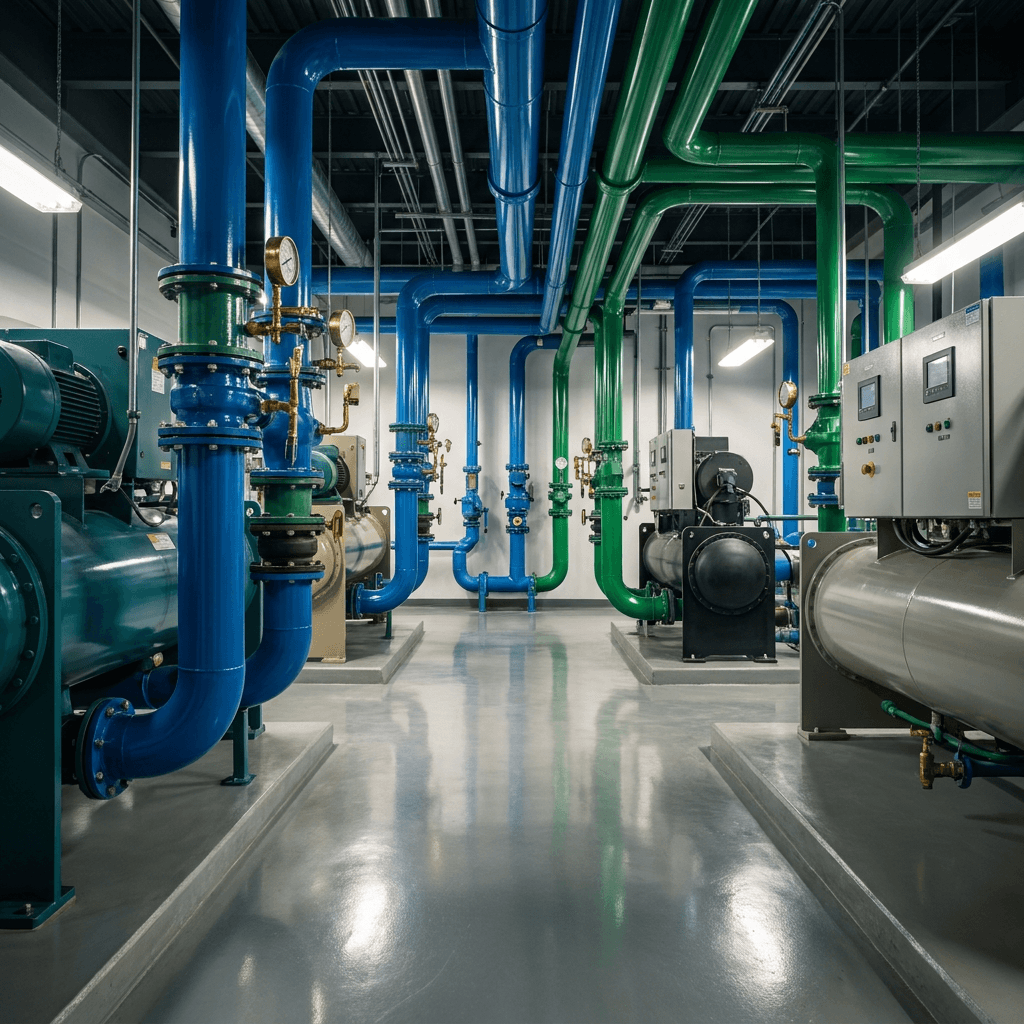
Commercial Mechanical Room Cleaning equipment

Service path

Specific scope makes better handoffs.

A careful mechanical room cleaning path for facilities that need service areas organized, documented, and easier to maintain. The right starting point depends on the facility, the equipment, and the decision the team is trying to make.

  • Room condition and access review
  • Equipment-area coordination
  • Occupied-facility planning
  • Readable maintenance reporting
Talk through this service

Commercial service guide

The useful answer starts with the facility.

Commercial property managers, facility engineers, building owners, healthcare operators, schools, hotels, and industrial teams. Project fit, coverage, scheduling, and final scope are confirmed with the operations team.

Send the project brief

01

A mechanical room is an operating workspace

Mechanical rooms contain the equipment and pathways that keep a facility moving, but they are also working environments for operators, technicians, contractors, and inspectors. Dust, debris, stored materials, blocked access, moisture observations, and unclear equipment labels can make future maintenance harder. A cleaning request should describe the room’s purpose and the operational reason the team needs it addressed.

The service is not a generic cleanup promise. A room with chilled water equipment, air handlers, pumps, controls, boilers, electrical systems, or dense piping requires a different conversation than a small service closet. The project brief should name the equipment context, access route, occupied conditions, and any site rule that will shape the work.

02

Define what safe access means at the site

A mechanical room cleaning plan has to respect the equipment and the people working around it. The team should identify operating equipment, restricted areas, lockout or escort requirements, floor and drainage conditions, stored materials, and any equipment that cannot be moved or interrupted. These facts support a responsible review without turning the website into a substitute for site-specific safety planning.

Photos may help show the room layout when taken safely and with permission. Avoid sharing private labels, credentials, security details, or information that would expose the facility. A clear description of the room, the concern, and the access window is often more useful than a large collection of uncontrolled images.

  • Room location and equipment present
  • Access, escort, and operating constraints
  • Condition the team wants documented or improved

03

Keep cleaning connected to equipment care

Mechanical room conditions can affect how a facility approaches air handling units, coils, filters, controls, and preventative maintenance. The cleaning scope may be tied to a construction handoff, a maintenance reset, a recurring program, or a need to prepare the room for another contractor. Naming that connection helps avoid a narrow service request that misses the decision the facility actually needs to make.

The owner overview lists mechanical room cleaning among the company’s services and describes one contractor for HVAC hygiene and kitchen exhaust services. The public site does not promise that every equipment surface, adjacent area, or specialized system is included. The room and project goals still need to be reviewed in detail.

04

Make the room easier to hand off

A useful mechanical room report can show what areas were addressed, what equipment was present, what access limitations remained, and what the facility should keep in view. Before-and-after photographs and labeled notes help maintenance teams understand the condition without relying on a verbal explanation. If the room supports a larger project, the report can become part of the contractor or property handoff.

TS Environmental publishes before-and-after documentation and reporting as part of its commercial service positioning. The exact format and included areas are not specified on the public site. Include the intended audience for the report in the project brief so the team can discuss the right level of detail.

05

Build a recurring plan where the facility needs one

Mechanical rooms often need repeat attention because equipment work, construction, storage, and regular access change the condition over time. A preventative maintenance program can help the facility define inspection or cleaning intervals, maintain a consistent record, and assign the next decision to the right team. The correct cadence depends on the building and cannot be assigned by a generic online page.

Use the brief to say whether the request is a one-time cleanup, a project closeout, a room review, or a recurring program. Include the building type, room use, equipment context, and documentation needs. The operations team can confirm fit, coverage, and next steps after the request is saved in the CRM. If the room supports multiple trades, identify the planned handoff date and the people who need access after the work. That context can help the team distinguish a cleaning request from a construction closeout or a broader equipment review. The goal is a record that makes the room easier to manage, not a promise that every condition can be resolved in one visit.

Questions to answer before the scope.

Does mechanical room cleaning include equipment service?01

Cleaning and equipment service are separate decisions. The project brief should identify the room, equipment context, and desired outcome so the scope can be confirmed.

Can a mechanical room be cleaned while a facility is occupied?02

The company overview describes occupied-facility experience. Access, operating conditions, safety requirements, and schedule must be confirmed for the actual site.

What should a property team document first?03

Name the room, equipment present, access limits, operating constraints, visible condition, and whether the work supports maintenance, construction closeout, or a recurring program.

Send the context that changes the next step.

We save the request first. Any owner notification is a separate connector status visible to the operations team.