TS Environmental, Inc. logo

Commercial Post-Construction Cleaning

TS Environmental supports post-construction cleaning for commercial facilities that need air pathways, equipment areas, and project documentation brought into a usable handoff.

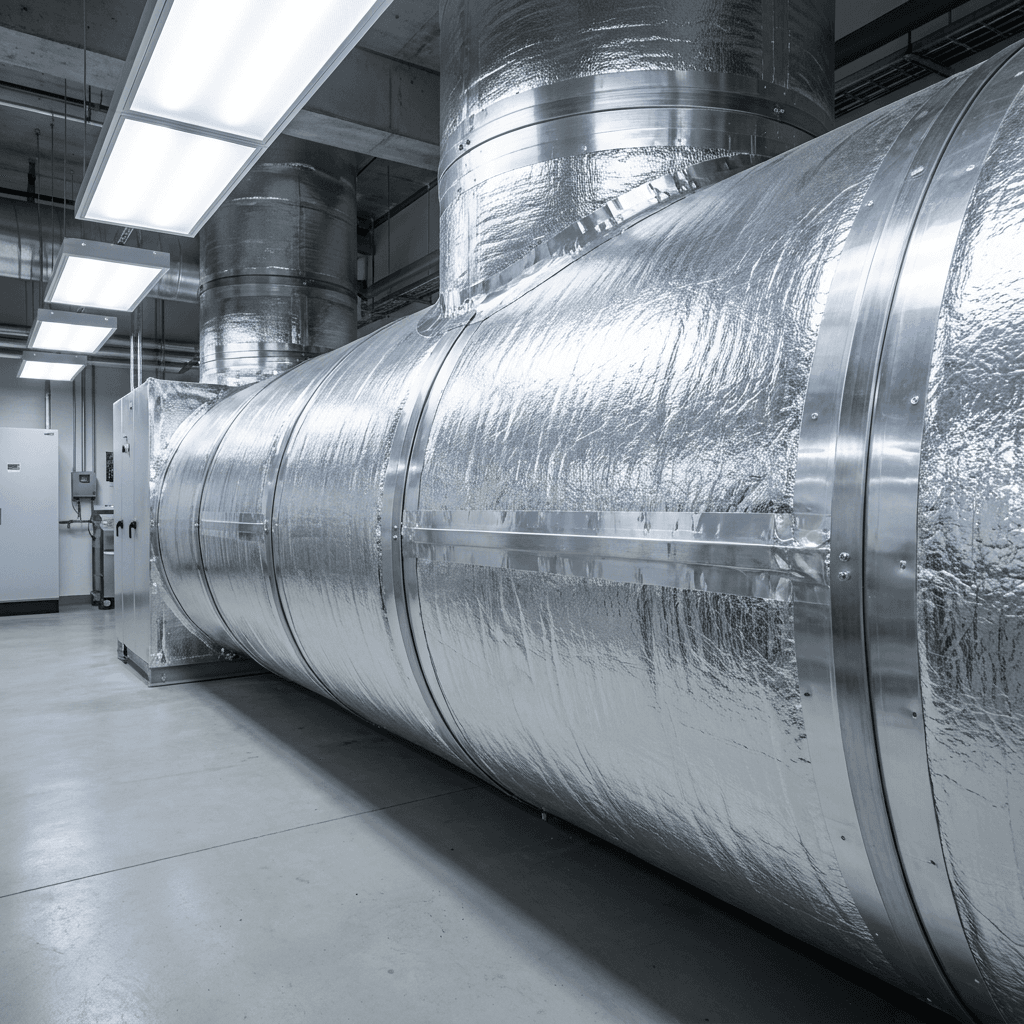
Commercial Post-Construction Cleaning equipment

Service path

Specific scope makes better handoffs.

A commercial closeout path for HVAC and environmental systems after construction, renovation, tenant work, or equipment installation. The right starting point depends on the facility, the equipment, and the decision the team is trying to make.

  • Construction condition review
  • Duct, AHU, coil, and room coordination
  • Closeout documentation
  • Facility handoff planning
Talk through this service

Commercial service guide

The useful answer starts with the facility.

General contractors, mechanical contractors, property managers, facility teams, developers, schools, healthcare projects, and hospitality operators. Project fit, coverage, scheduling, and final scope are confirmed with the operations team.

Send the project brief

01

Construction changes the condition of a building system

Renovation, tenant improvement, equipment replacement, and new construction can introduce dust, debris, packaging, temporary protection, and access changes into the air system and mechanical areas. A post-construction cleaning request should begin with what changed, which areas were affected, which systems were operating during the work, and what the owner needs before occupancy or turnover.

The goal is not to make a blanket claim that a building is ready. A useful scope identifies the equipment, ductwork, air handling units, coils, filters, mechanical rooms, and occupied zones that need to be considered. It also states whether the requested work supports a construction closeout, a tenant handoff, a maintenance reset, or a new preventative plan.

02

Coordinate the handoff between trades

Post-construction cleaning sits between the work completed by contractors and the work expected from the facility team. Mechanical contractors, general contractors, commissioning teams, property managers, and operators may each hold part of the information. The project brief should identify who is responsible for the site, what documentation already exists, and what question still prevents a clean handoff.

Include plans or reports only when they can be shared safely and without sensitive information. Equipment labels, accessible photographs, punch-list notes, and the construction schedule can help organize the request. They do not replace a site review or confirm that a system meets a standard, code, or owner requirement.

  • Type of construction or tenant work
  • Systems and areas exposed to construction activity
  • Closeout records and owner handoff requirements

03

Protect the operating facility during the transition

A closeout project may occur before occupancy, during a phased renovation, or while nearby areas remain active. The service plan should identify occupied spaces, access windows, sensitive operations, dust-control requirements, and the people who need notice. Healthcare, education, hospitality, food service, and industrial facilities can require different coordination questions even when the construction task looks similar.

The owner-supplied overview describes commercial work in occupied and complex environments and lists post-construction cleaning as a core service. Project fit, safety controls, staffing, and scheduling remain specific to the site. The website and agent should not turn that company positioning into a promise that a project can be accepted or completed on a particular date.

04

Closeout documentation should be easy to find

A post-construction report can help the owner understand what was addressed before the facility shifts into ordinary maintenance. Area labels, equipment identifiers, before-and-after photographs, access notes, remaining observations, and the documents delivered with the handoff all improve the record. The report should be written for the people who will own the system after the construction team leaves.

TS Environmental publishes before-and-after documentation and reporting as a service advantage. It does not publish a universal closeout certificate, commissioning result, or code determination. If the owner has a required document or format, that request belongs in the first brief so the team can discuss whether it fits the available service scope.

05

Move from closeout to preventative care

A building is easier to maintain when the closeout record becomes the beginning of the maintenance history. The next conversation may involve filters, coils, air handling units, ductwork, mechanical rooms, inspections, or recurring cleaning. It may also show that more information is needed before a service path can be chosen. The purpose of the service map is to keep those decisions connected.

Use the project brief to name the project, the facility, the completion or occupancy milestone, the areas affected, and the documentation needed. The agent can help choose the post-construction path and capture the project summary, then route it to the CRM for human review. Coverage and final scope are confirmed after that review. A closeout request is stronger when it names the decision that follows. The owner may need to release a space, hand the building to operations, schedule a follow-up cleaning, or assemble a maintenance baseline. That purpose helps the service conversation stay useful to the owner after the construction team has moved on. It also gives the closeout record a clear audience and next action. That makes the handoff easier to revisit later.

Questions to answer before the scope.

Does post-construction cleaning certify a building for occupancy?01

No. The public site does not claim a universal occupancy, code, commissioning, or compliance certification. Required documents must be confirmed for the project.

When should a contractor request post-construction cleaning?02

Request a conversation when construction, renovation, or tenant work may have affected HVAC air paths, equipment areas, or the documentation needed for owner handoff.

What records should be included?03

Include the project type, affected systems and areas, construction schedule, access conditions, punch-list notes, existing reports, and the owner’s closeout requirements.

Send the context that changes the next step.

We save the request first. Any owner notification is a separate connector status visible to the operations team.